A Staten Island Parent’s Guide
If you’re a parent, this question usually pops up at some point—often right around the time that first tiny tooth comes in:
“Wait… when am I actually supposed to take my child to the dentist?”
And honestly, most people guess wrong. Some parents think it’s when all the baby teeth are in. Others wait until preschool. A lot of families end up coming in only when something feels off.
The truth is, it’s earlier than you think—but in a good way.
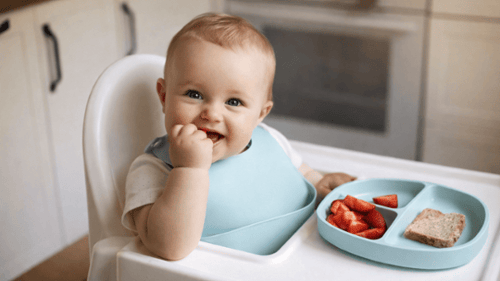
The American Academy of Pediatric Dentistry recommends that kids have their first dental visit by age one, or within six months of the first tooth coming in. That might sound early—especially when you’re still figuring out how to brush a tooth the size of a grain of rice—but there’s a reason for it.
This first visit isn’t about doing anything complicated. It’s not a full “adult-style” dental appointment. It’s really about getting ahead of things, making sure everything looks good, and giving you clarity as a parent.
Because here’s the part most people don’t realize: dental issues in kids can start earlier—and move faster—than expected.
Why Starting Early Makes Everything Easier
Baby teeth may not be permanent, but they matter a lot. They help your child eat, speak clearly, and guide how adult teeth come in later. When they’re healthy, everything tends to develop the way it should. When they’re not, it can create problems that follow your child for years.
And cavities? They don’t wait.
Things like frequent snacking, juice throughout the day, or even going to bed with milk can lead to early decay. It’s not about doing anything “wrong”—it’s just that small habits add up quickly at this age.
That’s why getting in early helps so much. It gives us a chance to spot anything before it becomes an issue, but just as importantly, it gives you answers.
And parents always have the same great questions:
- When should I actually start brushing?
- How much toothpaste is too much?
- Is thumb sucking something I need to worry about?
- Are snacks or drinks affecting their teeth?
Getting those answers early simplifies everything going forward.
There’s also something bigger happening behind the scenes—comfort.
Kids who start going to the dentist early grow up seeing it as completely normal. There’s no fear buildup, no “first scary visit” later on. It’s just something they’ve always done, like going to the pediatrician.
And that makes a huge difference.
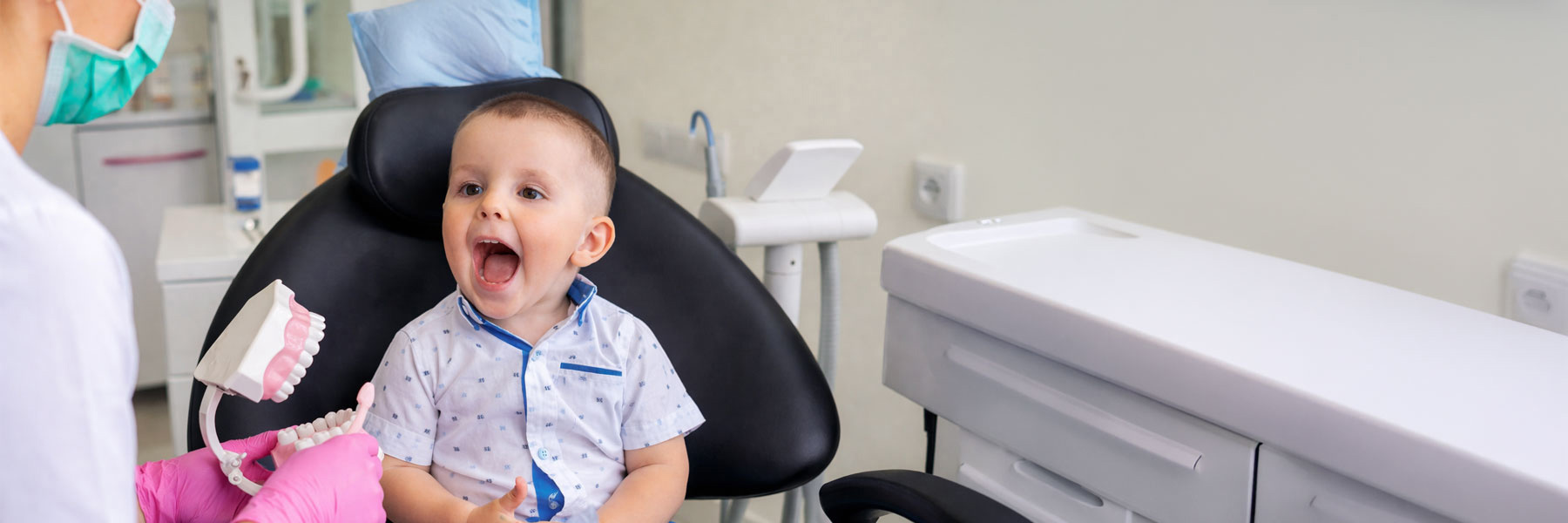
The first visit itself is usually quick and easy. For younger kids, we often do a simple “knee-to-knee” exam, where your child sits facing you while we take a look. It keeps them comfortable, and it allows us to check how everything is developing.
No pressure. No expectation for perfect behavior. No complicated procedures.
Just a calm introduction.
What If You’re Starting Later? (And a Few Things Parents Always Ask)
If your child is already a toddler—or even older—and hasn’t been to the dentist yet, you’re definitely not alone.
We see this all the time with Staten Island families. Life gets busy. Things get pushed. It happens.
The important part is just starting.
Older kids often do great at their first visit. In some ways, it’s even easier because they understand more and can follow directions. The biggest factor is how the experience feels. When it’s relaxed and positive, kids tend to go with the flow.
There are a few situations where you don’t want to wait, though. If you notice white spots, darker areas, or anything that looks off on the teeth, it’s worth getting checked. Same goes for sensitivity, gum swelling, or any kind of fall or injury involving the mouth. Small issues are always easier to handle early.
One of the most common questions we hear is: “Do baby teeth really matter if they fall out anyway?”
Short answer—yes, they matter a lot.
They hold space for adult teeth, help guide proper alignment, and support normal development. Losing them too early due to decay can lead to spacing problems and more involved treatment later on.
Another big one is toothpaste. The American Dental Association recommends using fluoride toothpaste as soon as teeth come in. For younger kids, it’s just a tiny smear. Around age three, that becomes a pea-sized amount. Fluoride helps strengthen the teeth and prevent cavities—even at this stage.
Diet is another piece that doesn’t always get enough attention. It’s not just about sugar—it’s about how often teeth are exposed to it. Sipping on juice all day or going to sleep with milk can keep sugar on the teeth for long periods of time, which increases the risk of cavities. Water between meals is always the safest choice.
And then there’s the question every parent wonders about: “What if my child cries?”
Totally normal.
Kids react to new environments in different ways, and crying doesn’t mean the visit didn’t go well. Pediatric dental teams are used to this and know how to work through it calmly. Most visits are quick, and kids bounce back faster than you’d expect.
If you want to make that first visit smoother, keep it simple. Talk about the dentist like it’s no big deal. Avoid using words that might create fear. Let your child see you brushing your teeth. Maybe read a fun book about going to the dentist.
The less buildup, the better.
At Staten Island Pediatric Dentistry, that’s exactly how we approach things. Whether it’s a first visit or a routine checkup, the goal is always the same—to make it feel easy, comfortable, and positive for both you and your child.
If there’s one thing to take away from all of this, it’s this:
Starting early helps—but starting at all is what really matters.
If you’ve been thinking about scheduling your child’s first visit, this is your sign to just go for it. We’ll make it simple, walk you through everything, and make sure it feels like a positive experience from day one.
Give us a call or visit our website to schedule your child’s first dental visit.